
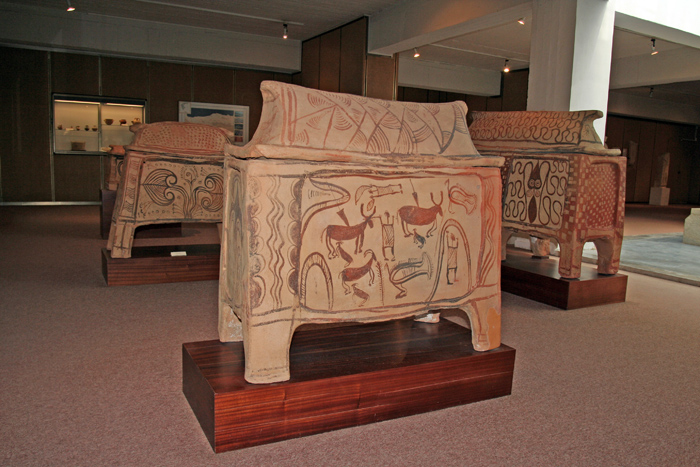
The Historical and Folklore Museum of Rethymno
The Historical and Folklore Museum of Rethymno is housed in a 17th century Venetian mansion. The museum is hosted in an ideal environment for the exhibition of collections and the historical building of the mansion is constantly restored and preserved. The exhibition spaces (Permanent collection) cover (5) five halls and present items of traditional handicraft work and folklore art. The Historical and Folklore Museum of Rethymno aims to become a contemporary research and educational center for the preservation of the Cretan Folklore culture in cooperation with international organizations and institutions.
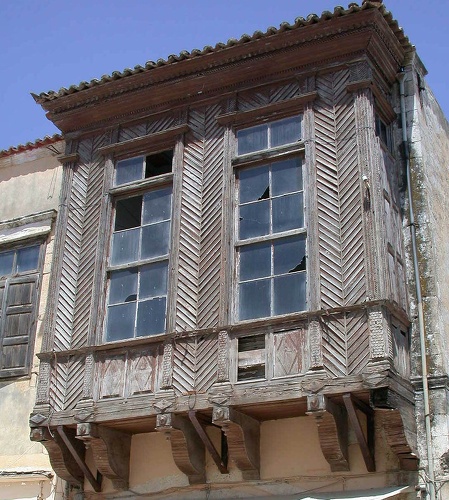
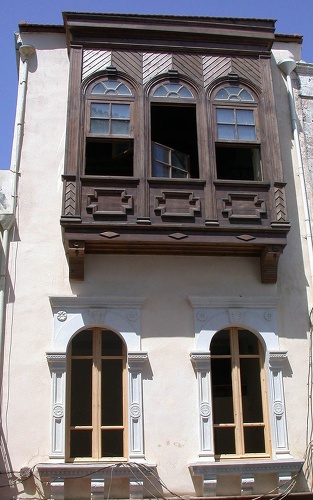
The Archaeological Museum of Rethymno
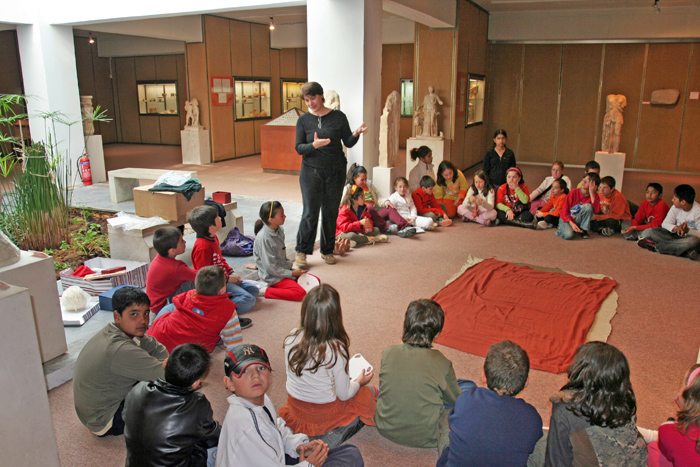
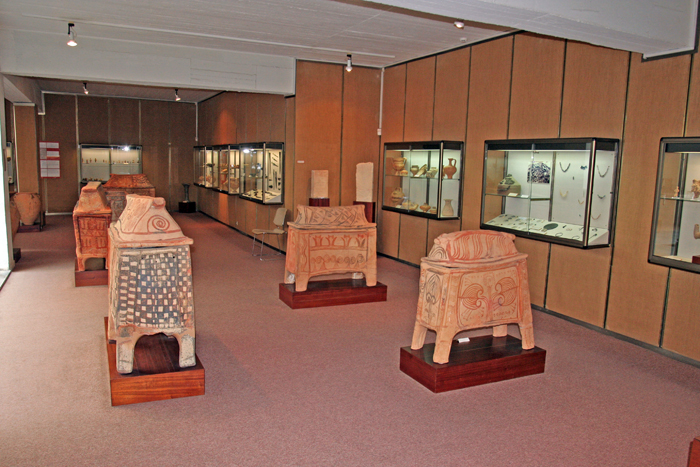
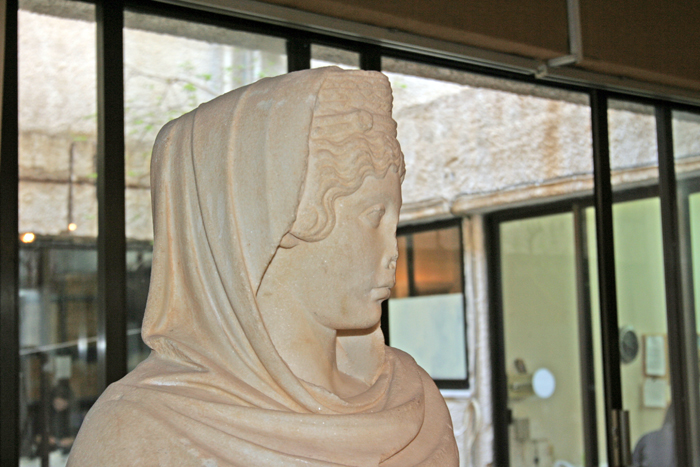
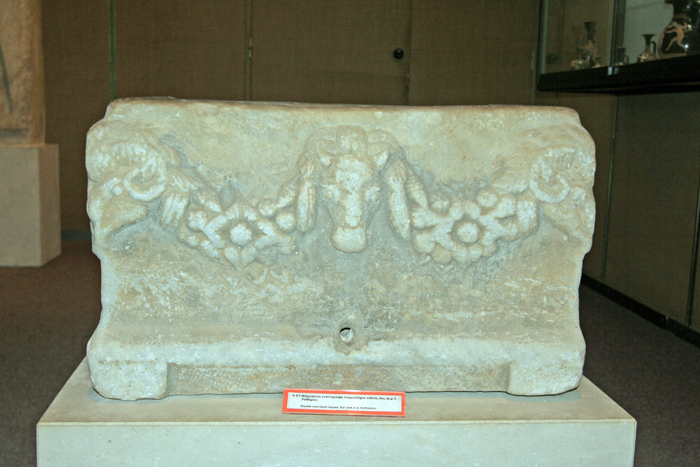
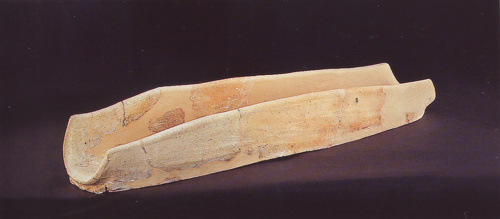
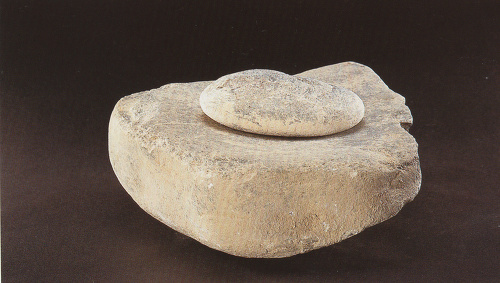
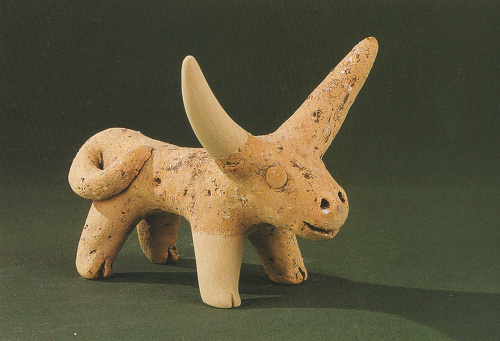
The Archaeological Museum of Rethymno belongs to the national Prehistoric and Classical Antiquities Conservancy. Since 1991 it is housed in the pentagon building in front of the main gate of the Fortezza fortress. The exhibits present the history of the Prefecture from the Neolithic to the Roman period. They are exhibited in chronological order and by excavation site.

Chromonastery Military Museum
Record
The Military Museum of Rethymno is situated on the southern tip of the Municipal district of the village of Chromonastery , 11klm southeast of Rethymno and on the northern rims of mountain Vrysinas, at an altitude of 360m. From a historical viewpoint, Chromonastery is one of the most remarkable historic villages of Crete as the history of the region goes back to the Middle-Minoan period(20th16th century B.C.) from which various temples and a great settlement have been found on mountain Vrysinas.
The building in which the Military Museum is housed, is of great historical and architectural interest as it was built in 1610 and functioned as the summer residence (villa) of a Venetian noble family by the name Clodio. Clodio himself was a wealthy tax collector, who belonged to the upper class i.e. the noble Venetians (‘’Veneti Nobili”) of the era. In the main square of the villa and in a prominent position we can see the coat of arms (official emblem) of the Clodio family, which displays at the center the winged lion of St. Marcus, who was the protector of the “Democracy of St. Marcus” or Venice. One can also find this coat of arms in the city residence (palazzo) of the Clodio family, at Rethymno.
As we proceed with the history of the building; after Crete was conquered by the Ottomans in 1646, the villa became the residence of a Turkish “Aga” (person of high rank/social position during the era of the Ottoman Empire) and was renamed “Konaki” (manor house in Turkish). The descendants of the Turkish Aga occupied the villa until 1898, when the Ottomans officially retreated from the island. The passage of time led to the gradual decay of the villa Clodio until his last owner, Alkiviades Kotzampasis, decided to donate the building to the community of Chromonastery, in 1985. Later, in 1997 the villa was granted to The Hellenic Army in order for a museum to be built. At that time, chief of the Hellenic Army was General Mr. Manousos Paragioudakis, who not only was the founder of the museum but also oversaw the reconstruction operations which lasted until 2002. The Military Museum of Rethymno was inaugurated on the 21st of May, 2010 from Mr. Paragioudakis and Lieutenant General Mr. Fragos Fragoulis, General of Hellenic Army staff. It is remarkable, that until today the Military Museum has hosted a multitude of events that increase the cultural level of the area, such as concerts, theatrical plays, book presentations and lectures of general interest, as well as painting exhibitions.
Short tour
Villa “Clodio” maintains all the architectural characteristics of the Venetian and Ottoman period such as:
• Venetian coat of arms of “Clodio” family.
• A gate from where the Venetian nobles entered as well as secondary entrances for the personnel that worked in the villa and the animals.
• A medieval gutter system that leads into an underground water tank of great capacity.
• Apartments not only for the nobles but for the personnel too.
• Storage warehouses for food and supplies, stables and elaborately manufactured feeders for the animals.
• A dining room, a kitchen and food preparation spaces.
• A Turkish bath.
• A bedroom of the Venetian era (room of honorary General Mr. Manousos Paragioudakis).
• A wine press and an olive press that are preserved in particular spaces.
The collection of exhibits of The Military Museum of Rethymno includes historical artifacts from the Venetian period and Modern Hellenic Military history and more specifically:
• A room devoted in the historical Battle of Crete.
• A room of historical uniforms of the Hellenic army.
• Chambers that host weaponry from the Hellenic revolution of 1821 until 2nd World War.
• An aisle with Venetian clothing and weapons of the era.
• A room of periodical exhibitions with a collection of photographs from several historical moments.
• Exterior exhibits that include warplanes, tanks and different types of artillery guns.
PRICE TICKET: Regular = 3€, Reduced = 1,5€
COMMUNICATION DETAILS:
Chromonastery Military Museum (Rethymno), Chromonastery of Rethymnon, Postcode 74100
Tel.: 28310-75135 – Fax.:28310-75135
Email:rethymnomuseum@army.gr
MONDAY: CLOSED
TUESDAY – FRIDAY:10am-3pm
SATURDAY: CLOSED (OPEN UPON ARRANGEMENT)
SUNDAY: 10am-2pm
Σχολικό Μουσείο Δήμου Ρεθύμνης
Ιστορικό
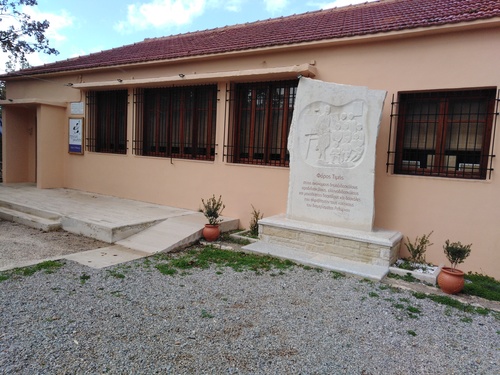
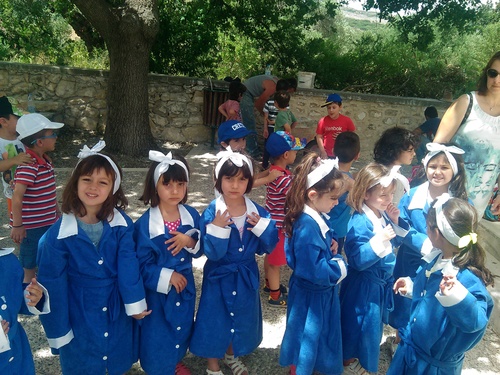
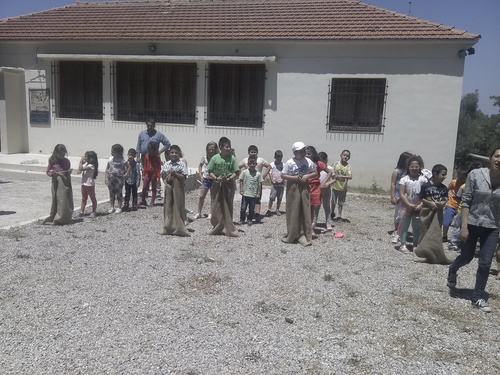
Το Σχολικό Μουσείου του Δήμου Ρεθύμνης ιδρύθηκε το έτος 1999 και στεγάζεται στις εγκαταστάσεις του πρώην Δημοτικού Σχολείου Αμνάτου. Διαθέτει εκθεσιακό χώρο, αίθουσα προσομοίωσης διδασκαλίας, βιβλιοθήκη-αρχειοθήκη, αυλή, σχολικό κήπο και ζωοκήπιο. Προσφέρει επτά διαφορετικά εκπαιδευτικά προγράμματα για όλες τις ηλικίες, ξεναγήσεις, εκδηλώσεις με εκπαιδευτικά θέματα και εκδόσεις. Είναι ανοικτό για το κοινό καθημερινά από 9.00-13.00 και για ομάδες και άλλες ημέρες και ώρες, κατόπιν συνεννοήσεως.
ΣΤΟΙΧΕΙΑ ΕΠΙΚΟΙΝΩΝΙΑΣ:
Τηλ.: 28310 83164 και 6947808851
Email: sxolikoamnato@gmail.com
Cultural Organizations
The Old City of Rethymno aims to be functional and to develop various activities connected to its culture, history and aesthetic character. For that reason, the main cultural activities are located in the Old City and the Fortezza fortress:
- The Archaeological Museum
- Municipal Gallery – Centre for Contemporary Art
- Art Workshops
- Art playground
- Museum collection of Submarine Life
- The ‘Eleni Fratzeskaki”Museum collection of textiles and embroidery
- Museum collection of Traditional Musical Instruments
- Museum collection of Traditional Agricultural Household
- Museum collection of Typography and local Press
- Historical Archive of the City of Rethymno
- Municipal Youth Center
- The Historical and Folklore Museum
- Institute of Mediterranean Studies (University of Crete)
- The ‘House of Philosophy” (University of Crete )
- The Centre of Cretan Craftwork
- The Service center of the Ministry of Culture
- The Branch of the Archaeological Resource Fund
- The Service of the Program Contract of the Old City
- The Workshop for maintenance of antiquities of the 13th Ephorat of Antiquities
- The Workshop for maintenance of Prehistoric – Classical Antiquities
- The Collection of Traditional Costumes of the Cretan Lyceum of Greek Women
Most of the art and cultural events of the city are taking place in restored historical buildings, such as the theatre “Erofyli” in the Fortezza fortress during the summer or at the conservatory, the church of ‘St. Francesco” or the “touring club” during the winter.
These activities aim to transform the Old City in a dynamic cultural centre, attracting visitors from different regions of Crete.